
Malcolm X was born on this day (May 19) in 1925 in Omaha, Nebraska, USA.
Malcolm X was never meant to be safe.
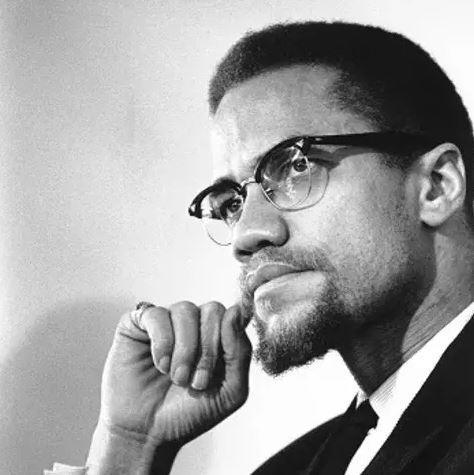
He didn’t speak in the soft, palatable tones that power prefers. He did not beg for acceptance or strive to ease the discomfort of the oppressor. He spoke with urgency. With clarity. With righteous anger. And for that—he became one of the most important voices of the 20th century.
“There is no better teacher than adversity. Every defeat, every heartbreak, every loss, contains its own seed, its own lesson on how to improve your performance the next time“
Born Malcolm Little in Omaha, Nebraska, he would shed the name given to his ancestors by slave owners and instead choose “X” to represent what had been stolen—his heritage, his origin, his true identity. It was not just a letter; it was a rejection of erasure.
Malcolm’s early life was marked by systemic brutality. His father, a preacher and Garveyite was likely murdered by white supremacists. His mother was institutionalized, and Malcolm fell into a world shaped by racism, crime, and incarceration. But from that crucible, he emerged transformed. Through the Nation of Islam, and later as an independent thinker and internationalist, Malcolm X rose to become one of the fiercest critics of white supremacy, colonialism, and capitalist exploitation.
“I’m for truth, no matter who tells it. I’m for justice, no matter who it’s for or against.“
His speeches were not designed to comfort—they were calls to consciousness. He challenged America’s image of itself as a land of liberty, exposing the rot at its roots. He did not believe in passivity. He believed in self-defence. In dignity. In the necessity of standing for something, lest you fall for anything.
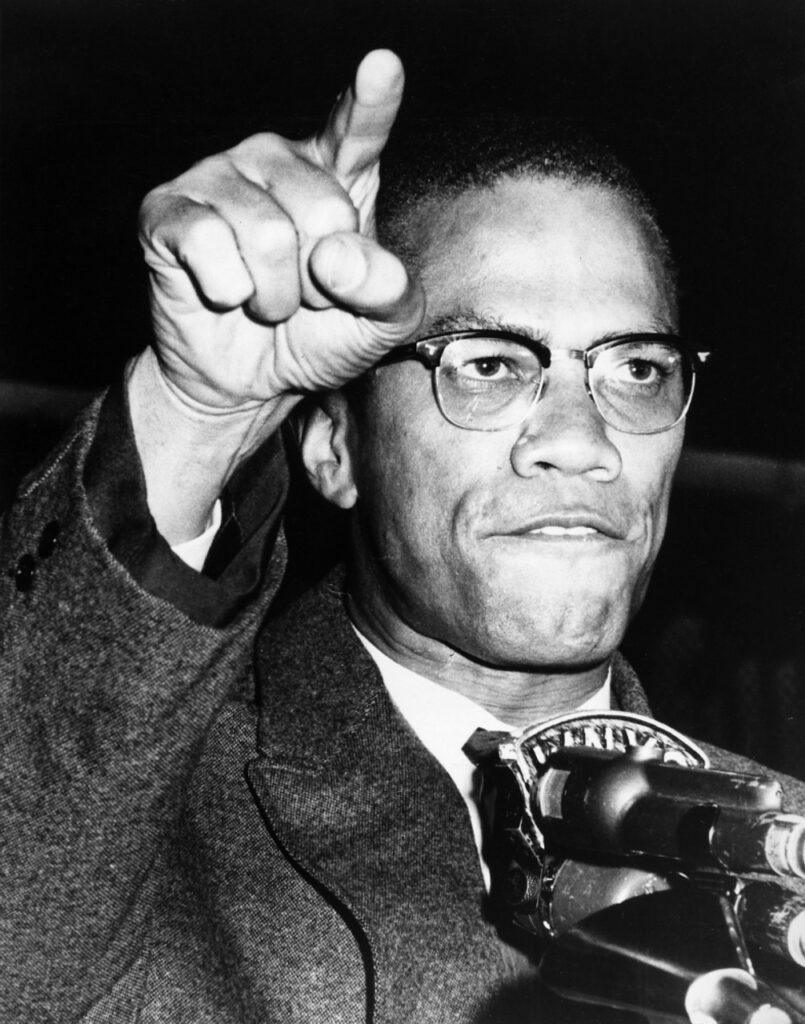
And yet, Malcolm was not static. His evolution—his journey from Black nationalist separatism to a broader human rights vision after his pilgrimage to Mecca—is one of the most profound elements of his legacy. He grew. He questioned. He sought truth, even when it cost him relationships, security, and eventually, his life.
“I believe in human beings, and that all human beings should be respected as such, regardless of their color.“
He was murdered at just 39 years old. But death could not silence him.
Today, his words still sting with relevance. His warnings about media manipulation, state violence, and false promises of equality remain urgent. He is studied, feared, misunderstood, and revered. But above all—he is still needed.
At FTS, we honour those who dared to speak truth to power. This limited-run tee quietly commemorates Malcolm’s legacy—his face framed in the uncompromising “X”, and his immortal words on the back:
“A man who stands for nothing will fall for anything.”




It’s not just apparel. It’s remembrance.