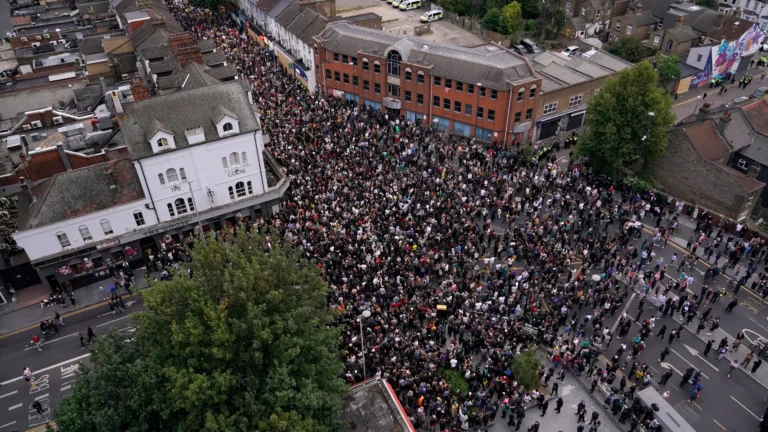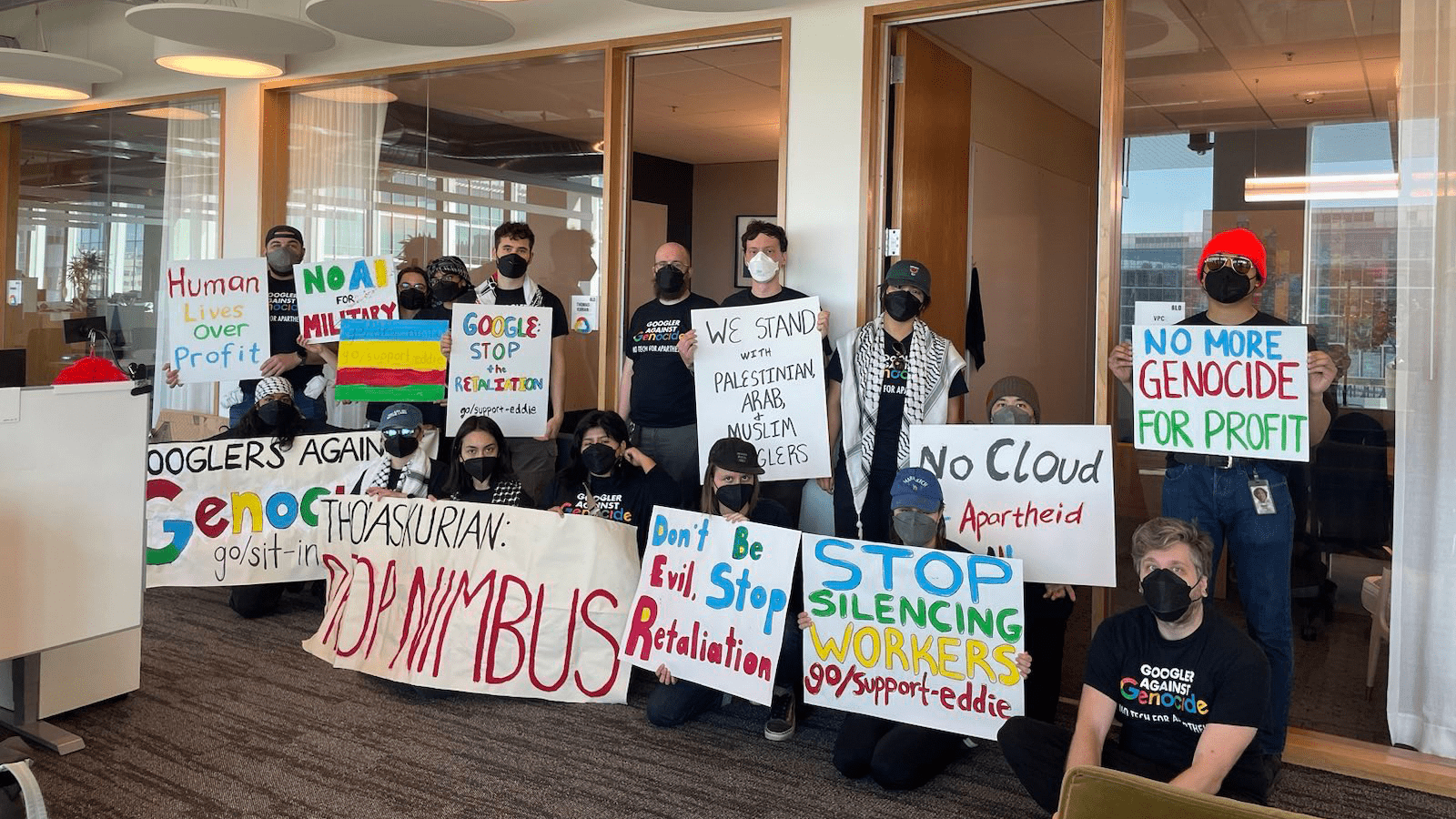

In today’s world, we face a multitude of interconnected challenges: climate breakdown, illegal wars, the erosion of public services, political corruption, and pervasive social inequalities such as racism. These issues are not isolated; they are different manifestations of a broader systemic problem—the concentration of wealth and power among a small elite, leading to widespread inequality.
The Interconnectedness of Global Crises
Climate change and political corruption are deeply intertwined. Corruption exacerbates the impacts of climate change by undermining environmental regulations and enabling unsustainable practices. Conversely, the destabilizing effects of climate change can create environments where corruption thrives, further weakening governance structures. This cyclical relationship disproportionately affects the poor and vulnerable, who have less access to resources and are more exposed to environmental hazards. Cite; transparency-france.org
Social inequalities, including racism, further compound these issues. Marginalized communities often bear the brunt of environmental degradation and are systematically excluded from decision-making processes. This exclusion perpetuates a cycle where the needs of the vulnerable are ignored, and policies favour the interests of the elite. Such dynamics are evident in the disproportionate siting of polluting industries in minority neighbourhoods and the lack of infrastructure investment in these areas.
The Illusion of Political Dichotomies
The traditional left versus right political spectrum often serves to distract from the underlying power dynamics at play. Both sides can be influenced by wealthy elites who use their resources to shape policies in their favor, regardless of ideological alignment. This influence is evident in the significant sway that economic elites and organized business interests have over U.S. government policy, often outweighing the preferences of average citizens. Cite; Journalist’s Reource
The Role of Economic Elites in Shaping Policy
Economic elites utilize their wealth to influence public policy in ways that perpetuate their interests and exacerbate inequality. Through mechanisms such as lobbying, campaign contributions, and control over media narratives, they ensure that their voices are prioritized over those of the general populace. This disproportionate influence leads to policies that favor deregulation, tax cuts for the wealthy, and the erosion of social safety nets, further entrenching their power. Cite; Russell Sage Foundation
The Perpetuation of Inequality
The concentration of wealth and power creates a feedback loop where the elite can continually shape policies to their advantage, leading to greater inequality. This cycle undermines democratic principles, as the majority’s needs and preferences are sidelined in favour of a privileged few. The result is a society where public services are underfunded, environmental protections are weakened, and social divisions are exacerbated.
Conclusion
Addressing these interconnected crises requires recognizing that they stem from systemic inequality perpetuated by a powerful elite. Efforts to combat climate change, social injustice, and political corruption must therefore focus on redistributing power and resources more equitably. This involves implementing policies that curb excessive corporate influence, promote transparency, and ensure that all voices are heard in the democratic process. Only by tackling the root causes of inequality can we hope to resolve the myriad challenges we face today.

The Influence of Economic Elites on Policy and Society
Teen Vogue The Trump Administration Will Function as an Oligarchy of Billionaires and Tech Bros
AP News As Biden warns of an ‘oligarchy,’ Trump will be flanked by tech billionaires at his inauguration
Them Heritage Foundation: How a Far-Right Think Tank Gained So Much Influence Over U.S. Politics